Table of Contents
The Future of IoT in 2026
The Internet of Things (IoT) continues to revolutionize industries, transforming how businesses operate and consumers interact with technology. By 2026, Internet of Things adoption will accelerate across healthcare, manufacturing, retail, smart cities, and logistics, making connected devices a critical component of digital transformation.
However, with growth comes complexity. As more devices connect to networks, ensuring security, scalability, and interoperability becomes increasingly essential. This article explores the future of the Internet of Things in 2026, highlighting trends, security strategies, and the business impact of connected devices.
Why IoT Is Essential for Businesses
IoT enables organizations to gather real-time data from devices, machines, sensors, and applications, providing actionable insights to optimize operations and create new revenue streams. Key benefits include:
- Operational Efficiency: Monitor equipment performance, reduce downtime, and streamline processes.
- Predictive Maintenance: Sensors can anticipate failures before they occur, saving costs.
- Enhanced Customer Experience: Smart devices deliver personalized experiences and services.
- Data-Driven Decision Making: Insights from Internet of Things devices support informed business strategies.
- New Business Models: Subscription services, usage-based pricing, and smart products create fresh revenue opportunities.
Key IoT Trends in 2026
1. Edge Computing Integration
With billions of Internet of Things devices generating massive data volumes, processing all information in the cloud can create latency issues. Edge computing addresses this by analyzing data closer to the source, improving speed, efficiency, and reliability.
Benefits of edge computing for the Internet of Things:
- Reduced network congestion
- Faster real-time decision-making
- Lower cloud storage costs
- Improved security through localized processing
2. AI and Machine Learning in IoT
Artificial intelligence (AI) and machine learning (ML) will drive the next generation of Internet of Things innovation. Smart devices will not only collect data but also analyze it autonomously, identifying patterns, predicting failures, and optimizing processes.
Examples:
- AI-powered predictive maintenance in factories
- Intelligent traffic management in smart cities
- Personalized healthcare monitoring through wearable devices
3. IoT Security Becomes a Top Priority
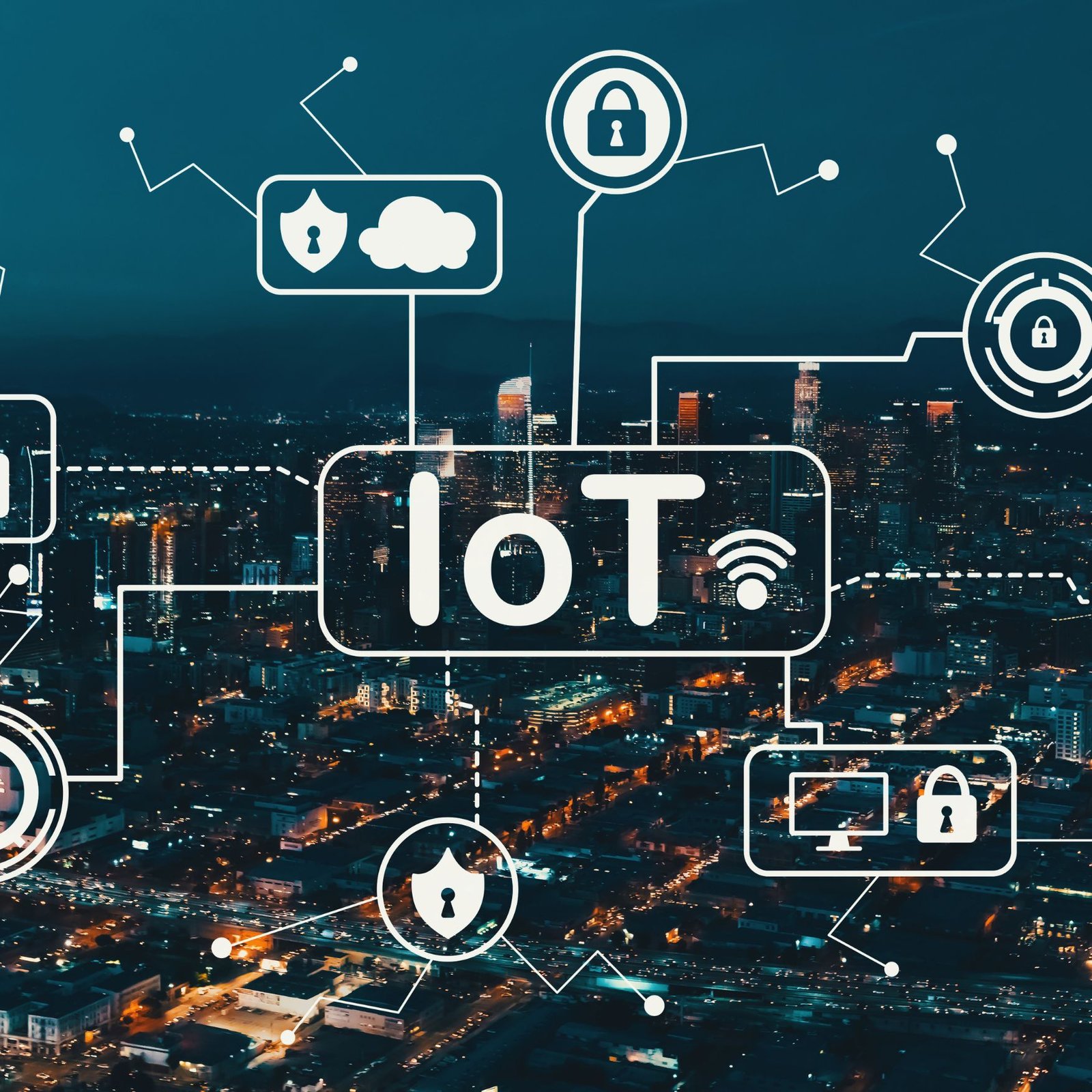
As the Internet of Things (IoT) adoption grows, security becomes increasingly critical. Devices are often entry points for cyberattacks, and unprotected Internet of Things networks can compromise sensitive data. In 2026, businesses will prioritize:
- End-to-end encryption
- Device authentication and zero trust models
- Regular firmware updates
- AI-driven threat detection
- Network segmentation to isolate critical systems
IoT security will be integral to building trust and ensuring regulatory compliance.
4. 5G and Advanced Connectivity
The rollout of 5G networks is poised to accelerate the adoption of the Internet of Things by providing ultra-fast, low-latency, and highly reliable connectivity. Businesses can deploy real-time applications such as:
- Remote surgeries in healthcare
- Autonomous vehicles and drones
- Industrial automation and robotics
5G also allows more devices to connect simultaneously, expanding the scale and reach of Internet of Things ecosystems.
5. Interoperability and Standardization
One of the biggest challenges in the Internet of Things is device compatibility. In 2026, efforts toward standardization will increase, enabling seamless integration of different devices and platforms.
- Cross-platform IoT ecosystems
- Common communication protocols (MQTT, CoAP)
- Standard security frameworks
- Unified data formats for analytics
Interoperability ensures Internet of Things deployments are scalable, flexible, and future-proof.
6. IoT Analytics and Predictive Insights
The Internet of Things is not just about connecting devices; it’s about making sense of data. Advanced analytics platforms will process vast streams of the Internet of Things data to provide predictive insights, optimize operations, and reduce costs.
Applications include:
- Retail: Optimizing inventory using real-time demand data
- Manufacturing: Predicting machine failures to reduce downtime
- Healthcare: Monitoring patient health and predicting disease trends
7. Sustainable and Green Internet of Things
Sustainability will influence the Internet of Things design and deployment. Businesses will adopt energy-efficient sensors, low-power networks, and smart energy management systems to reduce environmental impact.
Examples:
- Smart grids for energy optimization
- IoT-enabled waste management
- Environmental monitoring with connected sensors
Sustainable Internet of Things also enhances corporate responsibility and regulatory compliance.
Business Impact of Internet of Things in 2026
IoT adoption drives quantifiable business benefits:
- Cost Reduction: Predictive maintenance and operational optimization reduce expenses.
- Revenue Growth: Connected products and services open new monetization channels.
- Enhanced Productivity: Automation reduces manual tasks and human error.
- Better Customer Experience: Personalized services increase satisfaction and loyalty.
- Competitive Advantage: Early IoT adoption positions businesses as innovative leaders.
Best Practices for IoT Implementation
To maximize the potential of the Internet of Things, organizations should follow these best practices:
- Start with a clear business objective and use case
- Choose secure and scalable Internet of Things platforms
- Implement zero trust and strong authentication
- Use AI and analytics to derive actionable insights
- Ensure interoperability and adopt industry standards
- Monitor performance continuously and update devices regularly
Conclusion
The future of the Internet of Things in 2026 promises incredible opportunities for businesses across industries. With trends like edge computing, AI integration, 5G connectivity, and improved security, organizations can leverage IoT to optimize operations, create new revenue streams, and deliver better customer experiences.
However, success requires careful planning, robust security, and adoption of standards that allow scalable, interoperable deployments. Businesses that embrace these best practices will stay ahead in a world increasingly defined by connected devices and real-time data.