Table of Contents
Hybrid cloud has become the preferred IT model for modern businesses. By combining on-premises infrastructure with public and private cloud platforms, organizations gain flexibility, scalability, and better control over sensitive workloads. However, as hybrid environments grow more complex, securing them has become significantly more challenging.
By 2026, hybrid cloud security will be one of the most critical priorities for businesses across industries. Cybercriminals are increasingly targeting misconfigured cloud resources, identity vulnerabilities, and integration gaps between on-premises and cloud systems. To stay secure, organizations must clearly understand the challenges and implement the right security strategies.
This article explores the key hybrid cloud security challenges businesses face today and the most effective solutions to prepare for 2026.
What Is Hybrid Cloud Security?
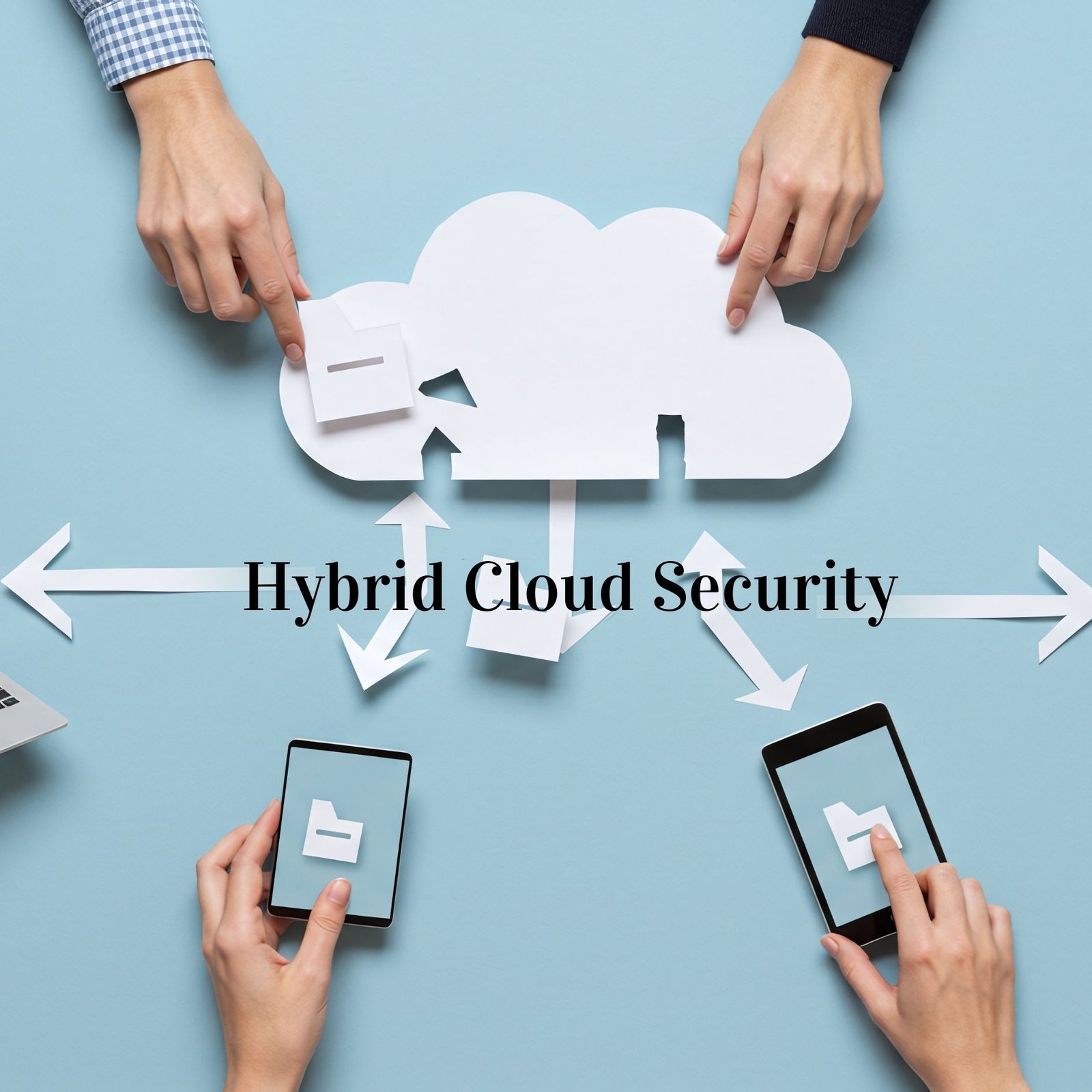
Hybrid cloud security refers to the technologies, policies, and controls used to protect data, applications, and workloads across a combination of on-premises infrastructure and cloud platforms. Unlike single-cloud environments, hybrid clouds involve multiple environments that must work together securely.
Effective hybrid cloud security ensures:
- Consistent access control across environments
- Secure data movement between systems
- Visibility into cloud and on-premises workloads
- Compliance with regulatory requirements
Because hybrid environments span different platforms and architectures, security must be unified rather than fragmented.
Why Hybrid Cloud Security Matters More in 2026
Several trends are increasing the importance of hybrid cloud security:
- Growth of remote and hybrid workforces
- Increased adoption of SaaS and cloud-native applications
- Integration of legacy systems with modern cloud services
- Rising ransomware and identity-based attacks
- Stricter data protection and compliance regulations
As businesses rely more heavily on hybrid cloud infrastructure, a single security gap can lead to widespread disruption, data loss, or regulatory penalties.
Key Hybrid Cloud Security Challenges
1. Lack of Centralized Visibility
One of the most common challenges in hybrid cloud environments is limited visibility. Data and workloads are distributed across on-premises systems, public cloud services, and private clouds, each with different monitoring tools.
Without centralized visibility:
- Security teams struggle to detect threats early
- Misconfigurations go unnoticed
- Incident response becomes slower
This fragmented view creates blind spots that attackers can exploit.
2. Inconsistent Security Policies
Hybrid environments often use different security controls for on-premises and cloud systems. This leads to inconsistent enforcement of policies such as access controls, encryption standards, and monitoring rules.
Inconsistent security policies can result in:
- Over-privileged user accounts
- Weak access controls
- Increased risk of insider threats
Maintaining consistent security across environments is a major challenge for many organizations.
3. Identity and Access Management Complexity
Identity is the new security perimeter. In hybrid cloud environments, managing identities across multiple platforms becomes increasingly complex.
Common issues include:
- Multiple identity providers
- Poorly managed privileges
- Lack of multi-factor authentication
- Delayed access revocation
These weaknesses make identity-based attacks one of the most common entry points for cybercriminals.
4. Data Protection and Compliance Risks
Hybrid clouds often involve sensitive data moving between environments. Without proper controls, this increases the risk of data exposure, unauthorized access, and compliance violations.
Businesses must comply with regulations related to:
- Data residency
- Privacy protection
- Industry-specific standards
Failure to secure data consistently across hybrid environments can lead to legal and financial consequences.
5. Increased Attack Surface
Hybrid cloud architectures expand the attack surface by introducing multiple endpoints, APIs, and integration points. Each connection between systems creates a potential vulnerability.
If not properly secured, attackers can move laterally across environments, turning a small breach into a major incident.
Solutions to Hybrid Cloud Security Challenges
1. Implement Centralized Security Management
Businesses should adopt centralized security platforms that provide visibility across on-premises and cloud environments. Centralized dashboards allow security teams to:
- Monitor activity in real time
- Detect misconfigurations
- Respond to threats faster
Unified visibility is the foundation of effective hybrid cloud security.
2. Adopt Zero Trust Security Principles
Zero Trust security is essential for hybrid environments. Instead of trusting users or systems based on location, Zero Trust verifies every access request continuously.
Key Zero Trust practices include:
- Identity-based access control
- Least-privilege permissions
- Continuous authentication
- Device health verification
This approach significantly reduces the risk of unauthorized access.
3. Strengthen Identity and Access Management
Robust identity and access management helps protect hybrid environments by ensuring only authorized users can access resources.
Best practices include:
- Enforcing multi-factor authentication
- Regularly reviewing access privileges
- Automating identity lifecycle management
- Monitoring user behavior for anomalies
Identity security is one of the most effective defenses against modern attacks.
4. Encrypt Data Everywhere
Data encryption should be applied consistently across all environments. This includes:
- Data at rest
- Data in transit
- Backups and replicas
Encryption ensures that even if data is accessed unlawfully, it remains unreadable and protected.
5. Automate Security Monitoring and Response
Manual security processes cannot keep up with the scale of hybrid environments. Automation helps organizations:
- Detect threats faster
- Reduce response time
- Minimize human error
Automated alerts and responses improve overall security resilience.
Preparing for Hybrid Cloud Security in 2026
To stay ahead of evolving threats, businesses should:
- Conduct regular security assessments
- Test incident response plans
- Train employees on cloud security best practices
- Continuously review and update security policies
Hybrid cloud security is not a one-time project but an ongoing process.
Conclusion
Hybrid cloud environments offer significant advantages, but they also introduce complex security challenges that businesses must address proactively. As cyber threats grow more sophisticated and cloud adoption accelerates, hybrid cloud security will play a critical role in business continuity and resilience.
By implementing centralized visibility, Zero Trust principles, strong identity management, and automated security controls, organizations can secure their hybrid environments effectively. Preparing now ensures businesses can operate confidently, protect sensitive data, and meet compliance requirements in 2026 and beyond.